Habitat for Humanity Peninsula and Greater Williamsburg Expands Innovative Homebuilding Efforts with First-of-Its-Kind Hybrid Construction Model
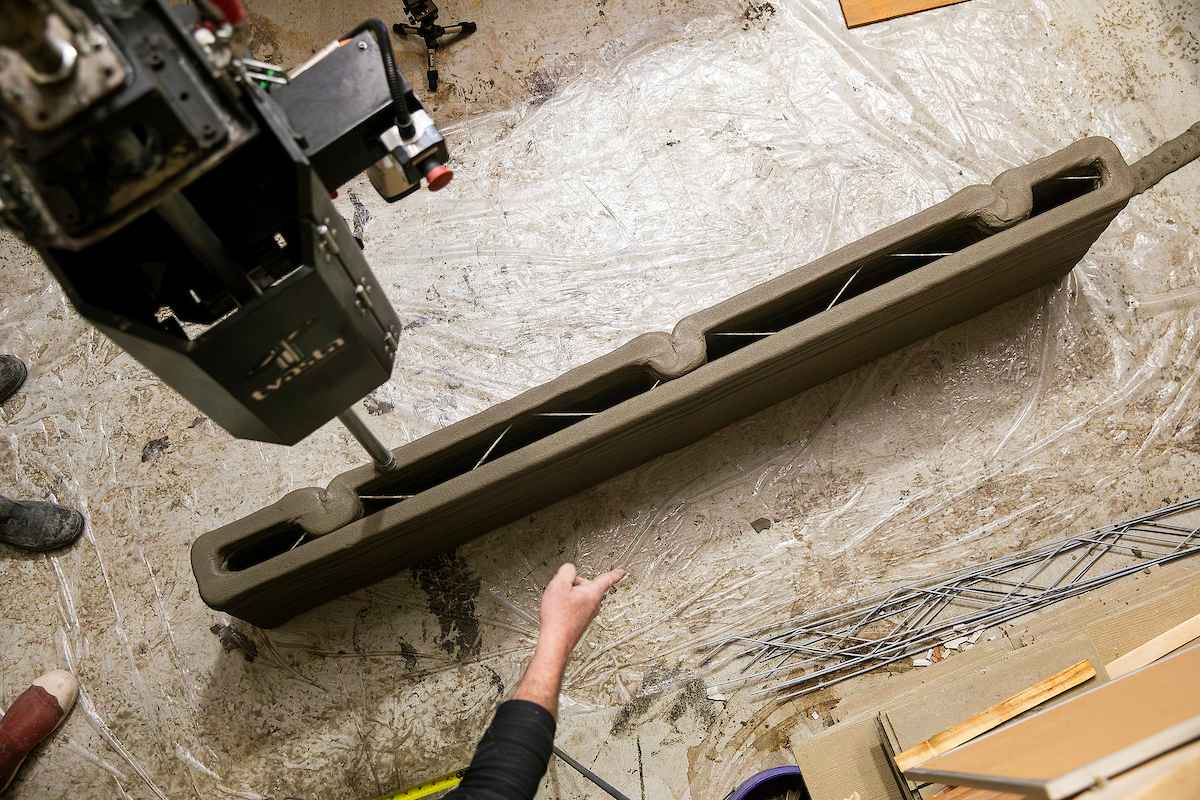
Building on a national legacy of innovation in affordable housing, Habitat for Humanity Peninsula and Greater Williamsburg is expanding its homebuilding toolkit with a groundbreaking construction approach that combines insulated concrete forms (ICF), 3D-printed exterior wall panels and prefabricated interior wall framing — all in a single home.
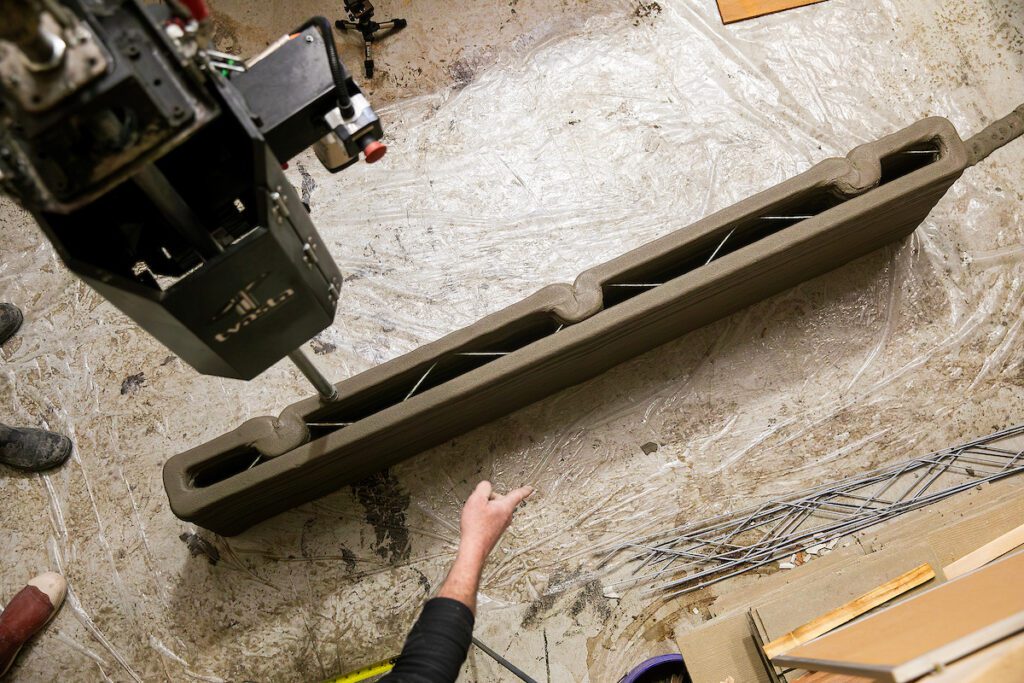
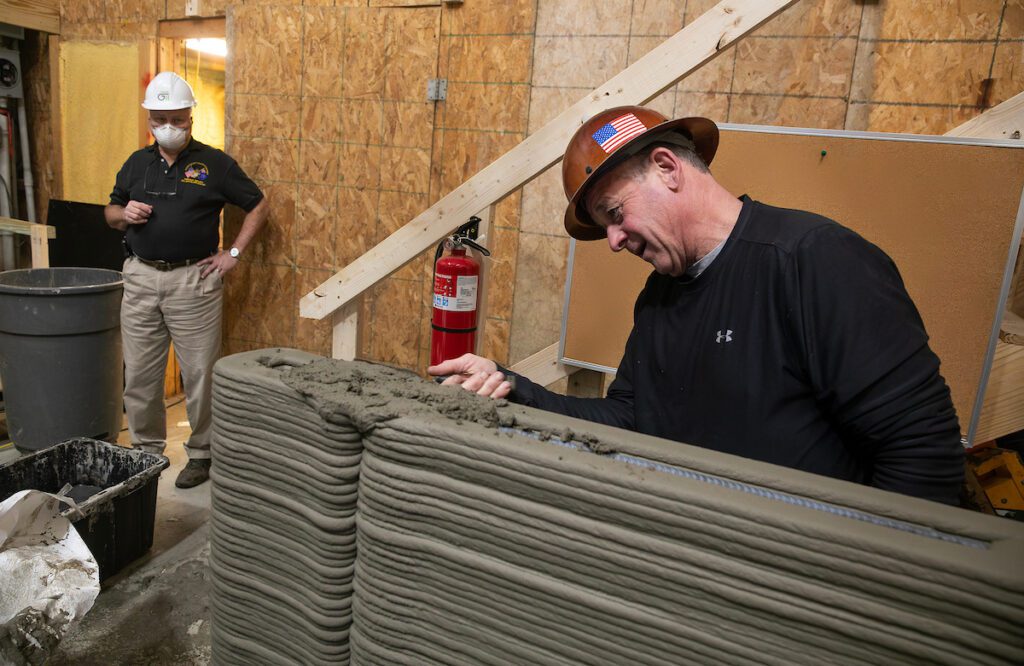
The new home, now underway in Toano, will be a 1,050-square-foot, two-bedroom, two-bath Habitat home. Its foundation is constructed using insulated concrete forms (ICF), exterior walls are being 3D-printed as concrete panels and interior wood-framed walls are being prefabricated using a method developed by Habitat for Humanity Peninsula and Greater Williamsburg and now taught to other Habitat affiliates across Virginia.
While Habitat for Humanity Peninsula and Greater Williamsburg has successfully used each of these construction methods independently, this project marks the first Habitat home in the nation to combine all three technologies in a single build — a significant milestone in the effort to reduce costs, improve efficiency and expand access to affordable housing.
“This project represents the next evolution of how Habitat can build smarter, faster and more affordably,” said Shauntrice Williams, CEO of Habitat for Humanity Peninsula and Greater Williamsburg. “Innovation is not about replacing people. It’s about empowering volunteers, stretching donor dollars further and creating high-quality homes that families can depend on for generations.”
Habitat for Humanity Peninsula and Greater Williamsburg has long been a national leader in construction innovation. In 2021, the affiliate built the first 3D-printed Habitat home in the United States in Williamsburg. That success led to two additional 3D-printed Habitat homes constructed side-by-side in Newport News, as well as four homes in Charles City County built using insulated concrete form (ICF) technology.
This project is supported through a broader statewide initiative led by the Virginia Center for Housing Research at Virginia Tech, which received a $400,000 PAVE (Prefabricated Approaches and Volunteer-based Enhancements) Innovation Grant from Virginia Housing.
The PAVE program is designed to lower affordable housing construction costs by optimizing volunteer-based homebuilding through modular framing, pre-assembly, training and software-based design. The initiative is being used to construct 18 homes across Williamsburg and Richmond, after which the model will be evaluated for scaling to Habitat affiliates throughout the Commonwealth.
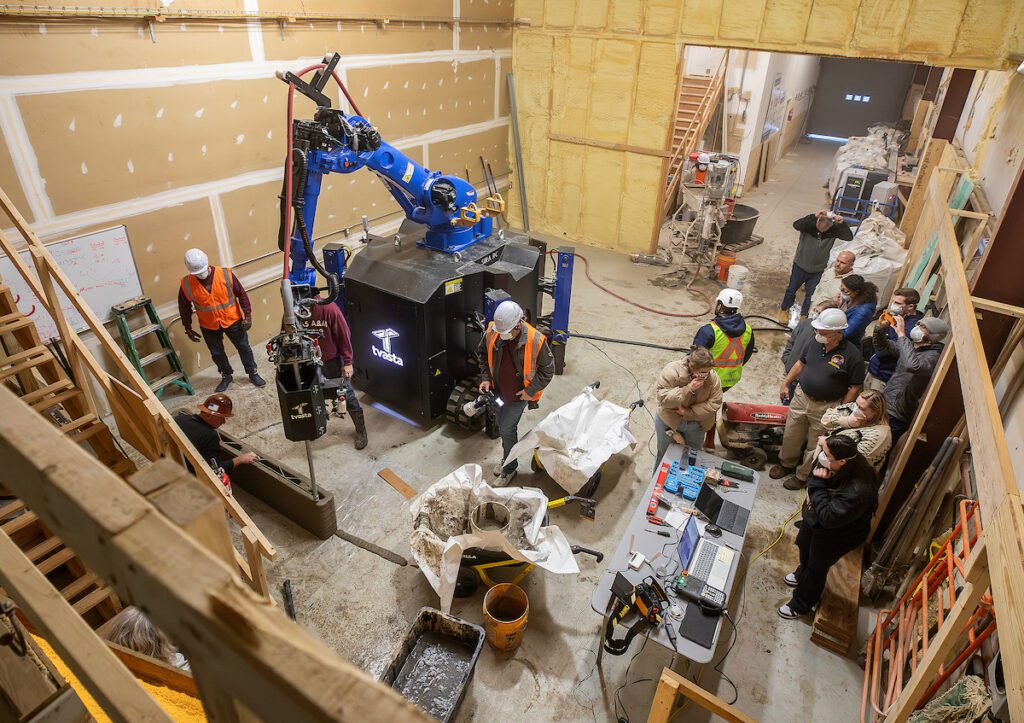
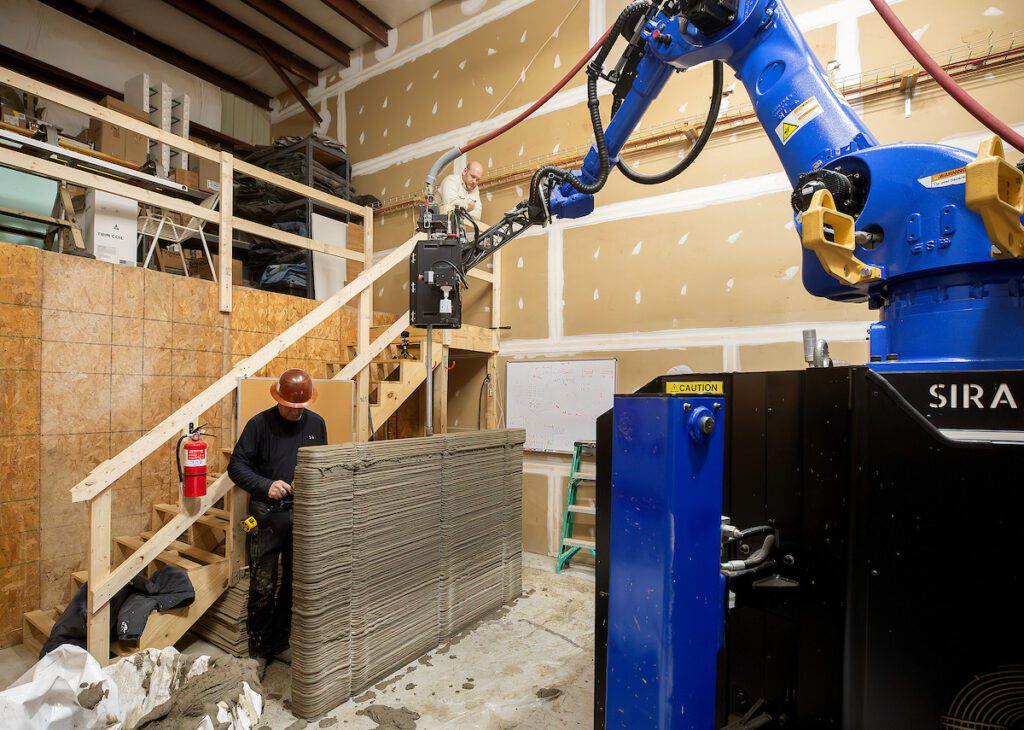
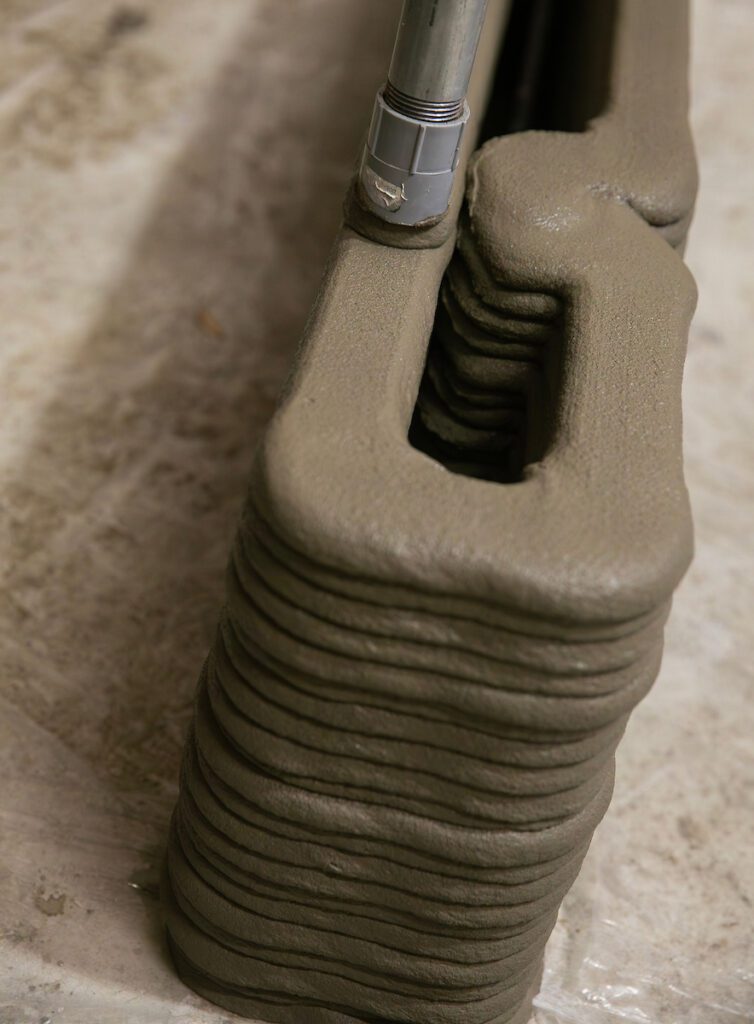
In addition, the 3D-printed wall panels for the Toano home are being produced using a large-scale Tvasta concrete printer owned by Virginia Housing and made available at no cost to nonprofits statewide to encourage innovation in housing construction. The specialized concrete mix and pump mechanism used for printing was developed by Hive3D. The mix is approximately three times less expensive than other materials previously used, while maintaining durability and performance standards.
By shifting key construction steps into a controlled warehouse environment and simplifying on-site assembly, Habitat for Humanity Peninsula and Greater Williamsburg is working to create a repeatable model that can be adopted by other affiliates — helping address labor shortages while maintaining Habitat’s volunteer-driven mission.
“This work is about more than a single house,” Williams said. “It’s about creating scalable solutions to the affordable housing crisis — solutions that can be shared, taught and replicated across Virginia and beyond.”
Construction on the Toano home is expected to continue through 2026, with lessons learned informing future Habitat builds across the region and the Commonwealth.